

Hey, I’m Dana.
Relational therapist, deep thinker and fellow human fascinated by what it means to be in relationship with ourselves, each other and the world around us — and continually redefining that understanding along the way
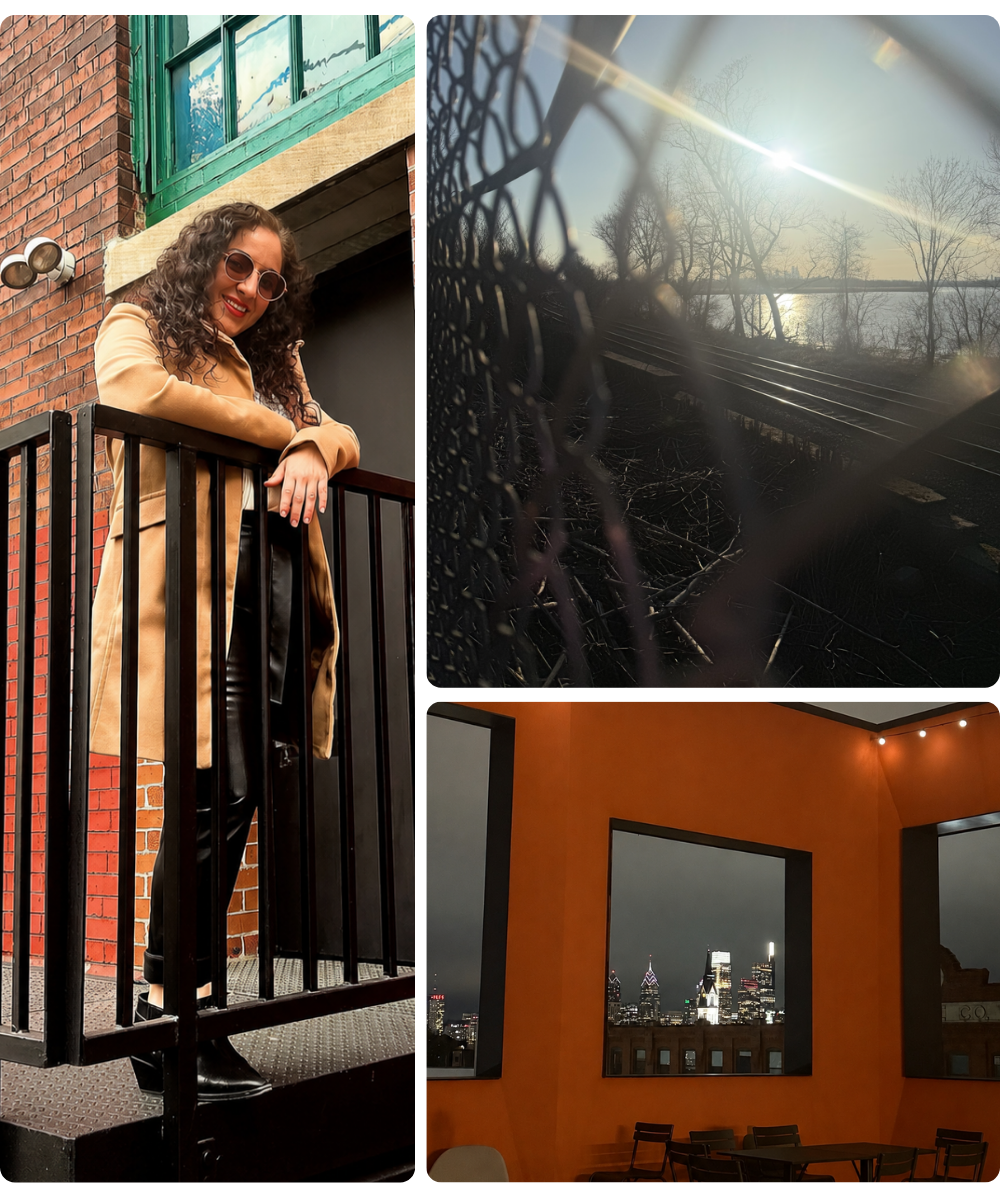

I'm a licensed clinical social worker with a master's from Rutgers, but the credentials are the least interesting thing about how I work.
Long before I became a therapist, I was fascinated by people, relationships, the ways we protect ourselves and the stories we carry about ourselves and others.
I'm an integrative therapist, which means I don't believe people fit neatly into one approach. I draw from relational, attachment-based, psychodynamic, parts, somatic and cognitive approaches — blending depth, insight, and practical tools because sometimes you need all three.
I also believe that healing doesn’t happen in a vacuum. Alongside exploring your internal world, we’ll examine the relationships, modern-life complexities, family systems, cultural influences, environments and broader contexts that intersect with and shape your experiences.
I believe meaningful change often happens through curiosity, connection and a willingness to make space for complexity and nuance.
I work with individuals and couples navigating complex identity questions, relational patterns, family dynamics and emotional weight that's hard to put into words — or hard to make sense of alone. All expressions, cultures, identities and lived experiences are welcome here.
Therapy with me is collaborative, emotionally attuned and paced to meet you where you actually are — not where you think you should be.



My Integrative Approach
Healing isn’t one-size-fits-all. I draw from multiple therapeutic orientations and tailor our work to what you actually need, rather than forcing your experiences into a predetermined framework.
No single theory can fully capture the complexity and nuance of being human. That’s why I continually assess, reflect and adapt the work to fit the person sitting in front of me.
Below is a look at some of the core modalities that inform my approach and help shape the individualized care I provide.
-
Your past isn't just history. It's alive in how you think, feel and connect with others today. Drawing from psychodynamic and attachment theory, we explore those patterns together so you can understand yourself and your relationships in a way that actually shifts something.
-
Relationships are complex. Most of us were never taught how to navigate them. Drawing from Emotionally Focused Therapy, Gottman-method and relational approaches, we look at what's actually happening beneath the surface — the patterns, the disconnects, the moments that keep repeating — and build new ways of relating from there.
The work isn’t limited to couples therapy. Many people come to therapy wanting to better understand their own attachment patterns, relationship struggles, breakups, “situationships” or recurring dynamics that leave them feeling stuck. You may have heard terms like anxious, avoidant, or disorganized attachment. While those labels can help us make sense of relational patterns, they rarely tell the whole story. Together, we’ll explore the emotional wounds, attachment needs, protective strategies and relational experiences shaping how you connect with yourself and others. Individual attachment work can help foster greater self and relational awareness, post-traumatic growth and the capacity for more secure and fulfilling relationships.
We also consider the realities of modern relationships: technology, social media, relational and dating anxiety, shifting cultural expectations, AI, constant accessibility and how the pace of today’s world can shape how we connect, communicate and make sense of ourselves and each other.
My couples therapy work is inclusive of relationships of all identities, orientations and structures, including LGBTQ+ and non-monogamous relationships.
-
Your nervous system has been keeping score long before your mind caught up. Through somatic and emotionally focused work, we learn to listen to those signals, not override them, gradually expanding your capacity to stay present with yourself, your emotions and the people you care about. Then, we learn how to use that wisdom to move through life with greater flexibility, choice and self-trust.
-
Life is about more than managing symptoms or fixing problems. Therapy isn't just about reducing distress or always feeling comfortable. Existential work asks the bigger questions — who you want to be, what actually matters to you, what role you play in your own or others’ suffering, how you may be participating in patterns you say you don’t want and how to live in alignment with your values. It can also involve navigating life transitions, shedding old layers and roles that no longer fit and making meaning of grief that often goes unseen or unrecognized. All without shame. Without apology.